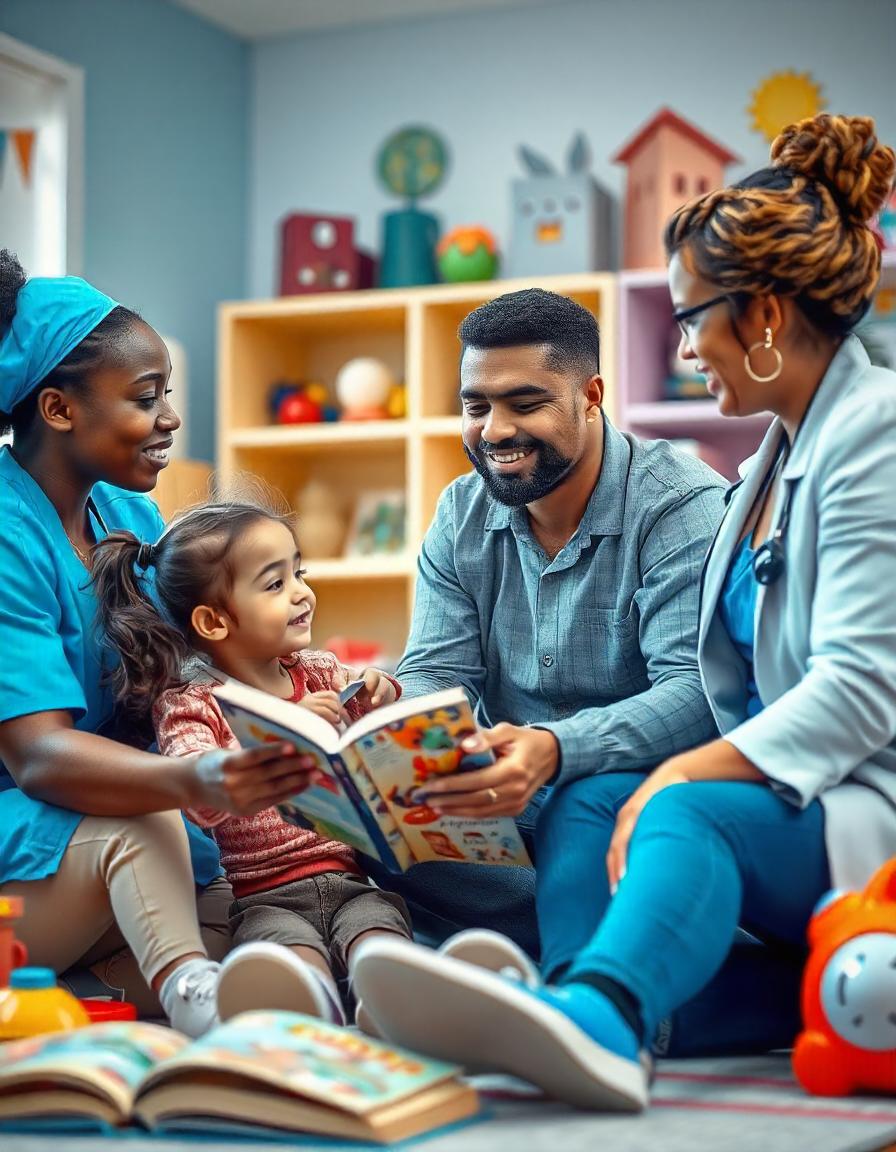
Building Resilience Through Nurture: Transforming Children’s Mental Health
The Transformative Power of Nurture in Supporting Children’s Mental Health
Children’s mental health is a cornerstone of their overall well-being and development. With increasing awareness around this critical issue, parents, educators, and carers are seeking effective ways to support children as they navigate the challenges of growing up. One proven approach that has shown remarkable results is nurturing care—a practice rooted in compassion, empathy, and tailored emotional support.
In this blog, we explore the profound impact of nurture on children’s mental health and how a nurturing environment fosters lifelong emotional resilience and success.
Understanding Nurturing Care
Nurturing care refers to providing children with a supportive and safe environment where they feel valued, understood, and loved. This approach goes beyond meeting basic needs like food, shelter, and clothing; it focuses on addressing the emotional and psychological aspects of a child’s well-being.
Key elements of nurturing care include:
Emotional Safety: Helping children feel secure and accepted for who they are.
Consistency: Providing stable routines and predictable interactions.
Empathy: Listening to and validating their feelings without judgement.
Encouragement: Building their confidence by celebrating achievements and supporting them through challenges.
How Nurture Improves Mental Health
Research highlights the pivotal role of nurturing in mitigating stress, building self-esteem, and fostering social skills in children. Here are some key benefits:
1. Reduces Anxiety and Stress
A nurturing environment acts as a buffer against the adverse effects of stress. When children feel safe and supported, their cortisol levels (stress hormones) remain regulated, helping them stay calm and focused.
2. Boosts Emotional Regulation
Nurtured children develop stronger emotional resilience. They learn to recognise and manage their emotions effectively, which is essential for handling life’s ups and downs.
3. Enhances Social Skills
Children who experience nurturing care are more likely to form healthy relationships. They gain the ability to empathise, communicate, and collaborate with peers, paving the way for a positive social life.
4. Improves Academic Performance
Mental health and learning are closely connected. Nurtured children tend to perform better academically because they feel supported and confident in their abilities.
Practical Ways to Foster Nurturing Environments
Creating a nurturing environment doesn’t require grand gestures; it’s often the small, consistent acts of care that make the most difference. Here are some practical tips:
Active Listening: Pay full attention when children speak. Show interest in their stories and validate their feelings.
Create Routine: Establish regular mealtimes, bedtimes, and family activities to provide a sense of stability.
Positive Reinforcement: Praise their efforts, not just their achievements. Encourage perseverance and celebrate progress.
Model Emotional Intelligence: Demonstrate healthy ways to handle stress, anger, or sadness so they can learn by example.
Encourage Play: Unstructured playtime is vital for children to explore their creativity and decompress from daily pressures.
The Role of Schools and Communities
While families play a primary role in nurturing children, schools and communities are equally important. Educators trained in nurturing approaches can create inclusive classrooms that foster collaboration and emotional growth. Community programmes, such as mentorship initiatives and extracurricular activities, can also provide additional layers of support for children, especially those facing challenges at home.
Supporting Vulnerable Children Through Nurture
For children experiencing trauma, neglect, or other adversities, nurturing care can be transformative. Programmes tailored to their specific needs can rebuild trust and foster a sense of belonging. Organisations like Calordormus Carework tirelessly to support children’s mental health by providing holistic, nurturing interventions that address both emotional and practical needs.
Why Nurture Is the Future of Mental Health Care
In a world where mental health issues among children are on the rise, nurturing care offers a sustainable, impactful solution. By integrating nurture into homes, schools, and communities, we can equip children with the tools they need to thrive emotionally, socially, and academically.
Let’s commit to building a nurturing world for our children, where mental health is prioritised and every child feels empowered to achieve their full potential.
Partner with Calordormus Care
Contact us today to learn how you can join our efforts to nurture children’s mental health and create lasting positive change. At Calordormus Care, we believe in the transformative power of nurturing care. Our dedicated team works to support children and families through evidence-based approaches designed to strengthen mental health and well-being. Visit our website at calordormus-care.co.uk to learn more about our programmes and initiatives.
Together, we can make a difference in the lives of children—one nurturing moment at a time.